Dental occlusion is a term that a lot of people aren’t necessarily familiar with but it’s a crucial part of maintaining dental health and the prevention of tooth decay and gum disease.
Here we provide a helpful insight into dental occlusion, what it and how it could be harming your oral health, as well as some useful tips, guidance and advice on how it can be treated.
What is Dental Occlusion?
Dental occlusion, malocclusion, or occlusal disease, known in layman’s terms as a ‘bad bite’ is the misalignment of teeth in the manner of how the upper and lower set come together. In a good bite, the front teeth should align just in front of the lower teeth with the ones down the side meeting comfortably.
There are different types of malocclusion and bite types such as – overbite, underbite, crossbites and open bites, all with different signs and symptoms which can be quite obvious to both the patient and their dentist. However, not all cases of occlusal disease are as easy to identify which is why some people can go a long time before seeking treatment.
What Causes Malocclusion?
Usually, Malocclusion is an inherited condition, passed down from one generation to the next but there are also a number of other reasons why someone might suffer with occlusal issues;
Use of a dummy after 3 years old
overcrowding
Thumb sucking in early childhood
Missing teeth
Cleft lip and palate
Prolonged use of bottles in childhood
Injuries to the jaw or lower face
Impacted or atypically shaped teeth
Improper fitting of crowns, braces or fillings
Tumours in the mouth or jaw
Mouth breathing as a result of obstructed airways due to allergies, enlarged tonsils or adenoids etc
Signs and Symptoms to Look Out For
Besides the obvious visual signs that can be spotted for a bad bite, there are some symptoms that can be indicative of potential occlusal issues;
Tooth soreness, especially when biting
Wear on the tooths biting surface
Clicking or popping jaw joint during movement
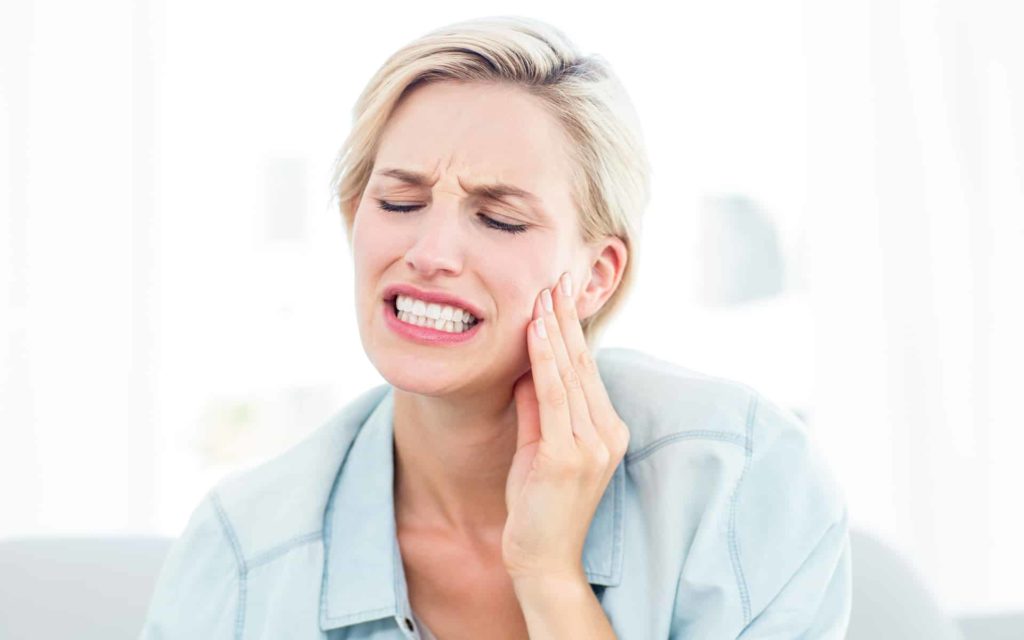
Jaw and facial pain
Notches in the teeth near the gum line
Tooth sensitivity to temperature changes
Loose teeth
Receding gums
Teeth breaking or cracking
Frequently biting the inside of the mouth or inner cheek
Malocclusion – The Health Risks
Not only are the symptoms of malocclusion unpleasant, but they can actually affect a person’s oral health and overall wellbeing.
Here are just some of the ways that untreated malocclusion can impact your dental health;
Tooth decay and gum disease
Those with malocclusion are much more likely to be at risk for tooth decay and gum disease due to the misalignment of teeth making them that much more difficult to clean. This leads to the build-up of tartar and plaque which over time this can result in tooth decay and gum disease.
Jaw Issues
Because in patients with malocclusion the teeth do not meet as they should when biting, it doesn’t allow for proper chewing motions, the jaw and muscles have to work harder than they should and become stiff and strained.
The function of your jaw can be affected by malocclusion and cause jaw pain, headaches, neck pain, earaches and other symptoms which can impact your daily life.
Enamel Erosion
Enamel is the hard, outer layer of the tooth which protects it from decay and damage. Over time, when the teeth are not properly aligned, the enamel is worn down prematurely, which leads to damage and decay, increased sensitivity, dulling of the teeth as well as impacting their aesthetic appearance.
Functional Problems
The impact of having malocclusion can be very serious, with the primary function of the jaw and teeth being to help us eat and speak. For those with severe or untreated occlusal issues, even these basic functions can become too difficult or painful and lead to a whole host of other problems.
Treatment Options
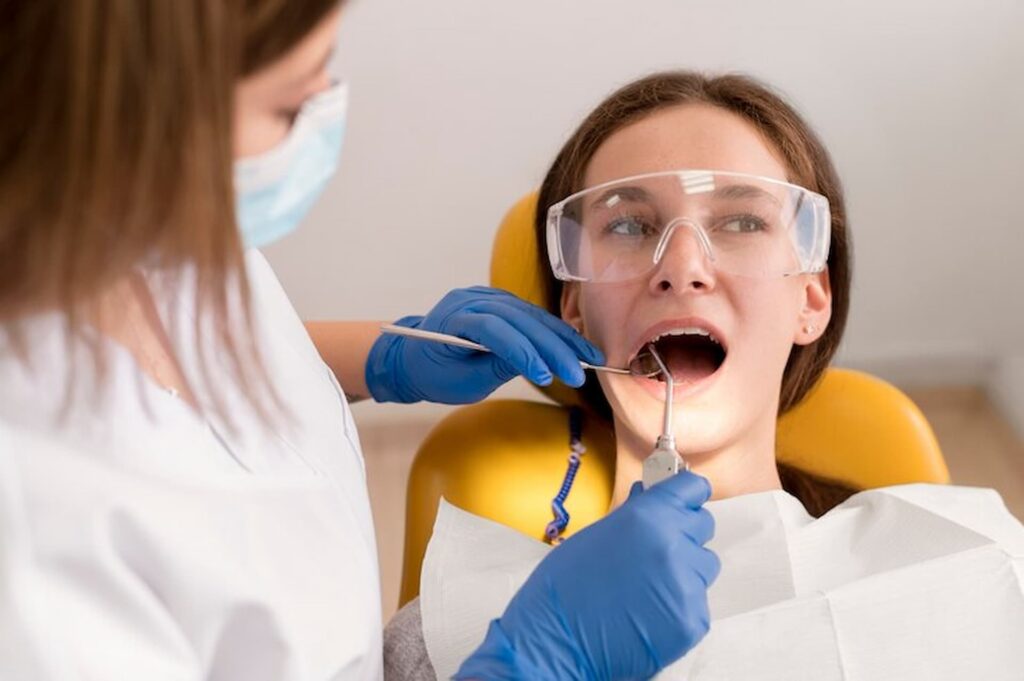
The best treatment path for malocclusion will depend on the individual patient, the type and severity of their occlusal issues as well as their unique needs and requirements. Some of the treatments commonly used to help treat malocclusion include;
Orthodontics such as traditional braces or clear aligners
Surgery to correct jaw alignment
Tooth removal for overcrowding
Retainers
Reshaping, bonding or capping