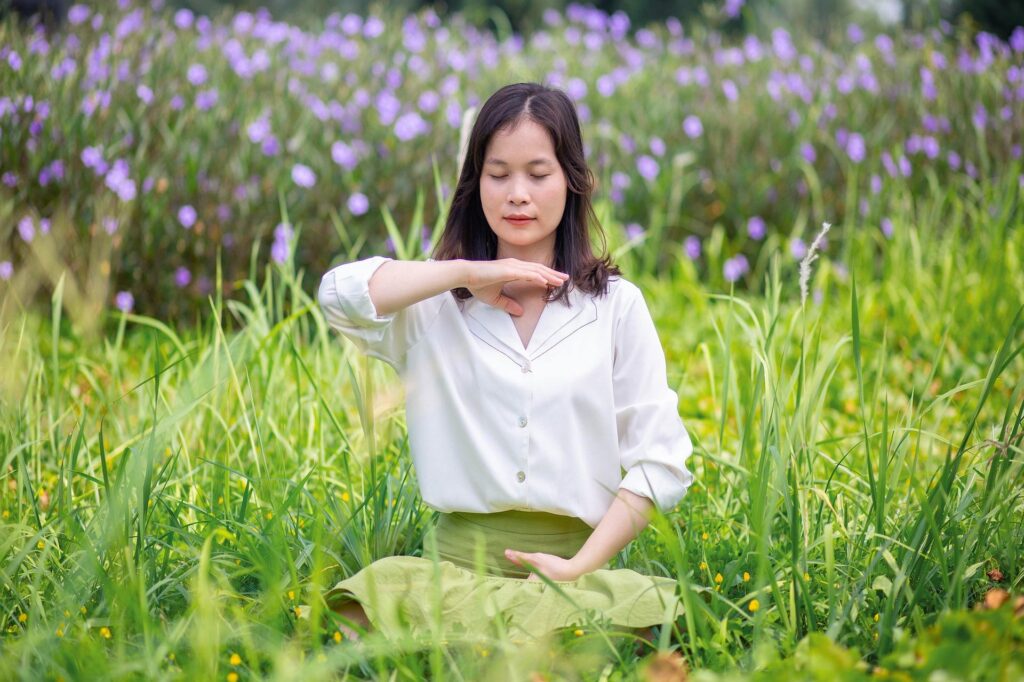
Feeling overwhelmed by daily stress? Discover simple yet powerful habits, like deep breathing and mindful pauses, to cultivate calmness and bring peace into your life. Learn to integrate these practices into your routine for a more centred, balanced lifestyle.
In our fast-paced, always-on world, finding a sense of calm can feel elusive. With the constant demands of work, family, and digital distractions, many end the day feeling drained and overwhelmed. However, cultivating calmness is essential not only for our mental well-being but for our overall health. It allows us to manage stress, stay present, and navigate challenges with a more evident ,-centred mindset. The good news? Achieving a more peaceful life doesn’t require a complete overhaul—minor, intentional habits can make a significant difference.
This article will explore simple yet powerful daily practices to bring more calmness into your life. Whether through mindful deep breathing, creating serene spaces, or taking regular pauses throughout your day, these easy-to-implement habits can help you feel more grounded and at ease. By consistently integrating these techniques into your routine, you’ll be more capable of handling life’s stressors gracefully, leading to a calmer and more fulfilling lifestyle.
Why Cultivating Calmness Matters
Before discussing specific habits, it’s essential to understand why cultivating calmness is vital. Stress has become a standard part of modern life, but chronic stress can have serious health consequences. It can increase your risk of heart disease, weaken your immune system, and contribute to anxiety and depression. By seeking calmness, you improve your mental state and support your overall health.
The Mind-Body Connection
Research shows that the mind and body are intricately connected. When you’re mentally stressed, your body releases stress hormones, leading to physical symptoms like headaches, tension, and fatigue. Conversely, when you cultivate calmness, your body responds positively, lowering blood pressure and improving sleep quality. This mind-body connection is crucial to integrating calmness into your daily life.
Daily Habits to Cultivate Calmness
Now that we’ve discussed the importance of calmness let’s examine how you can start integrating peaceful habits into your daily routine. These practices are simple, accessible, and incredibly effective when done consistently.
1. Deep Breathing: A Powerful Stress Reliever
Deep breathing is one of the simplest and most effective ways to cultivate calm. We all do it unconsciously, but breathing can have a powerful, calming effect on the nervous system when done mindfully.
Step-by-Step Guide to Deep Breathing:
- Find a comfortable position: Sit or lie in a quiet place where you won’t be disturbed.
- Inhale deeply: Slowly breathe through your nose, filling your lungs and expanding your abdomen.
- Hold your breath: Pause for a few seconds, allowing the air to settle.
- Exhale slowly: Gently release the breath through your mouth, focusing on the sensation of the air leaving your body.
Practising deep breathing for just a few minutes daily can lower your heart rate, reduce anxiety, and bring you into the present moment. Try incorporating this practice into your morning routine or as a mid-day stress break.
2. Create Quiet Spaces for Reflection
Our environments profoundly affect our mental state. Finding peace can be difficult if you’re constantly surrounded by noise and clutter. Creating a quiet space in your home or workplace allows you to step away from distractions and take a moment.
Tips for Creating a Quiet Space:
- Declutter: Remove unnecessary items to create a clean, minimalistic environment. Clutter can increase stress levels, so the less, the better.
- Incorporate soothing elements: Add calming items like plants, soft lighting, or a small fountain. Natural elements can help lower stress and enhance tranquillity.
- Designate this space for relaxation: Use this area solely for peaceful activities like meditation, journaling, or quiet reflection.
Having a designated quiet space makes it more likely that you’ll take regular breaks to centre yourself throughout the day.
3. Practice Mindful Pauses
Life is filled with rushing moments from one task to the next, often without a break. One effective way to counteract this is by incorporating mindful pauses into your routine. A conscious pause is a short break in which you intentionally stop what you’re doing, take a few breaths, and bring your awareness to the present moment.
How to Incorporate Mindful Pauses:
- Set reminders: Use your phone or watch to set reminders for a mindful pause every hour. When the alarm goes off, stop what you’re doing and take a deep breath.
- Focus on your surroundings: During your pause, take a moment to observe your surroundings. What do you see, hear, or feel? It will help anchor you in the present.
- Reflect on how you’re feeling: Check in with yourself. Are you stressed, anxious, or calm? This simple reflection can help you manage your emotions more effectively.
Mindful pauses take only a minute or two but can significantly impact mood and focus.
4. Incorporate Movement into Your Day
Physical movement is another effective way to reduce stress and cultivate calmness. Whether through yoga, walking, or gentle stretching, moving your body helps release tension and boost your mood.
Simple Ways to Move More:
- Morning stretch: Start your day with a gentle stretching routine to wake up your body and prepare your mind for the day ahead.
- Walking breaks: Take short walks throughout the day, especially if you’ve been sitting for long periods. Walking outdoors can be remarkably calming.
- Yoga: Incorporate a short yoga routine into your evening to help release any tension built up during the day.
Staying physically active will help you maintain mental clarity and a calm state of mind.
5. Practice Gratitude
Gratitude is a powerful tool for shifting your focus from stress to appreciation. When you habitually acknowledge the things you’re grateful for, it becomes easier to find peace amid chaos.
Daily Gratitude Practices:
- Morning gratitude: Start your day by listing three things you’re grateful for, no matter how small. It will set a positive tone for the day.
- Gratitude journal: Before going to bed, keep a journal where you write down things you’re thankful for. Reflecting on positive moments can help you wind down and sleep better.
- Gratitude reminders: Throughout the day, remind yourself of things you appreciate, whether it’s a supportive friend, a delicious meal, or a beautiful sunset.
Gratitude shifts your perspective and brings peace and contentment, even on stressful days.
6. Disconnect from Technology
While technology has many benefits, constant connectivity can increase stress and make relaxing challenging. Taking regular breaks from screens is essential for mental clarity and calmness.
Tips for Disconnecting:
- Set screen-free times: Designate specific times when you disconnect from your phone, computer, and other digital devices during the day. For example, you could make your mornings or evenings screen-free.
- Limit social media: Social media can contribute to anxiety and stress. Try limiting your time on social platforms or unfollowing accounts that don’t add value to your life.
- Engage in offline activities: Use your screen-free time to engage in calming activities like reading, cooking, or spending time in nature.
Disconnecting from technology, even for a few hours daily, can help you recharge and reduce mental clutter.
Cultivating Calmness Through Consistency
The key to cultivating calmness is consistency. While each of these habits is simple on its own, their true power comes when they are practised regularly. Here’s a step-by-step guide to help you incorporate these habits into your daily life:
Step-by-Step Guide to a Calmer Life:
- Start with one habit: Choose one habit from the list above, such as deep breathing, and commit to practising it daily for a week.
- Build gradually: Once the first habit becomes part of your routine, add another habit, such as creating a quiet space or practising gratitude.
- Set reminders: Use your phone or a calendar to remind yourself to take mindful pauses or stretch during the day.
- Reflect on your progress: At the end of each week, reflect on how these habits impact your stress levels and overall sense of calm.
- Adjust as needed: Don’t be afraid to tweak your routine. The goal is to find what works best for you.
Conclusion
Cultivating calmness in your daily life doesn’t require drastic changes. By incorporating small, mindful habits like deep breathing, practising gratitude, and disconnecting from technology, you can create more moments of peace and balance. Remember, the journey to a calmer life is personal and about finding what resonates with you. Start small, be consistent, and watch as these practices transform your mindset and bring a sense of calm to even the most hectic days.
As you embark on this journey, remember that calmness isn’t about avoiding stress altogether—it’s about learning to navigate life’s challenges with grace and resilience. Make these habits part of your routine, and you’ll feel more at peace and enhance your overall well-being.