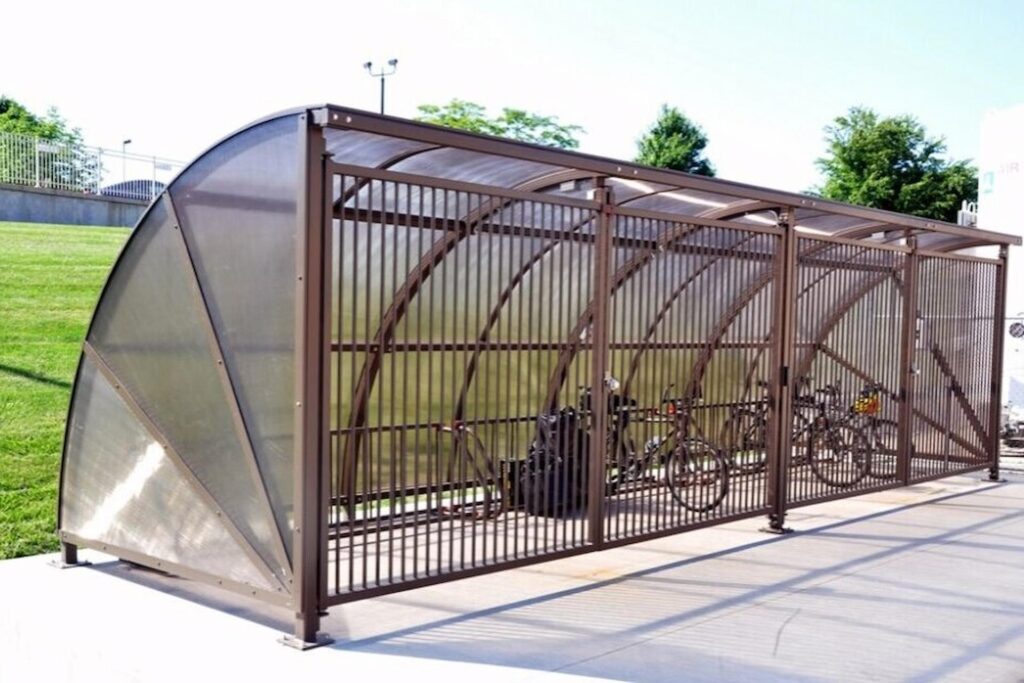
Amidst the hustle and bustle of city living, the subtle uprising of cycling has gathered steam. Increasingly, people are adopting bicycles as a green and health-conscious means of getting around. While cities aim to enhance their bike-friendliness, a critical element often underestimated is the requirement for sufficient bike storage units. These inconspicuous structures play a central role in promoting cycling as a sustainable transportation choice. This article will explore the importance of two-wheeler shelters and their crucial role in supporting urban cyclists.
The Rise of Urban Cycling: Urban cycling is more than just a passing trend; it’s a lifestyle choice offering many advantages, ranging from alleviating traffic congestion and reducing carbon emissions to promoting physical well-being; the advantages of cycling are diverse. However, the need for more secure and convenient parking options poses a significant hurdle for cyclists. This is where bike shelters come into play, providing a haven for bicycles and encouraging more people to opt for two wheels over four.
Safe and Secure Parking: One of the primary concerns for urban cyclists is the fear of theft or vandalism. Traditional bike racks may offer a place to lock up a bicycle, but they often lack the protective cover that a bike shelter provides. Two-wheeler shelters have secure locking mechanisms, protecting bicycles from theft and the elements. This sense of security is a crucial factor in encouraging individuals to choose cycling as a reliable mode of transportation.
Weather Protection: Another factor that can deter potential cyclists is the unpredictable weather. Rain, snow, or scorching sun can make cycling an unappealing option without proper protection. Bike storage units offer a solution by providing a shield against the elements. Cyclists can confidently park their bikes knowing they will be sheltered from rain, snow, or intense sunlight, ensuring a comfortable ride for both the cyclist and their bicycle.
Encouraging Sustainable Transportation: Cities worldwide increasingly recognise the importance of sustainable transportation solutions. As urban planners strive to create environmentally friendly urban landscapes, bike storage units become integral in promoting cycling. By offering a secure and weather-protected space for bicycles, these shelters actively contribute to reducing carbon footprints and easing the strain on public transportation systems.
Promoting Health and Well-being: Bicycling goes beyond merely a means of transportation; it is An exercise form that adds to a healthier way of life. Encouraging cycling through the provision of bike shelters aligns with public health initiatives. When individuals feel confident that their bicycles are safe and protected, they are more likely to incorporate cycling into their daily routines, reaping regular exercise’s physical and mental health benefits.
Community Building: Bike covers serve as more than just parking spaces; they foster a sense of community among cyclists. These shelters become gathering points where cyclists can share experiences and tips and even form cycling groups. The sense of camaraderie from having designated bicycle spaces strengthens the community’s cycling culture, further encouraging sustainable transportation choices.
Conclusion
In pursuing sustainable and cyclist-friendly urban environments, the role of bike storage units cannot be overstated. These modest structures offer essential security, shield cyclists from inclement weather, and foster community among urban cyclists. As cities persist in allocating resources to enhance cycling infrastructure, prioritising establishing two-wheeler shelters becomes crucial. By doing this, urban planners not only nurture the expanding community of cyclists but also improve the overall welfare of the city and its inhabitants.